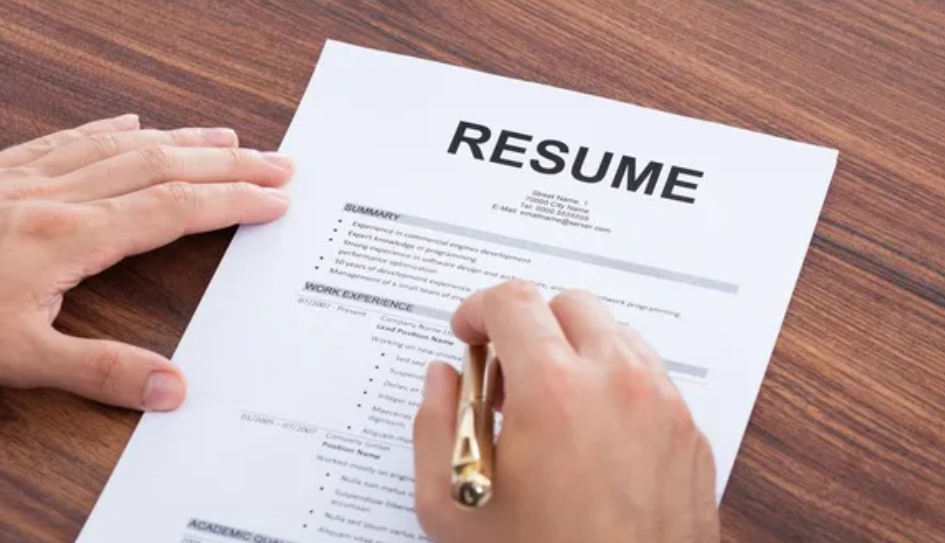
An old resume can be a useful starting point, but it may no longer reflect the kind of work you’re interested in.
Perhaps you’ve developed new skills, changed industries, or decided to pursue greater responsibilities.
Simply adding your latest job isn’t always enough.
Reworking your resume around a new employment goal can help employers understand why your background is relevant.
Identify Your New Career Direction
Before editing anything, think about the position you want.
What responsibilities interest you?
Which qualifications are commonly expected?
When you หางาน, review several advertisements related to your goal.
Look for repeated skills and requirements.
This research provides a clear direction for updating your resume.
Review Your Existing Resume
Read your old document carefully.
Which sections still reflect your experience accurately?
Are there outdated qualifications or responsibilities that no longer support your goals?
Highlight useful information.
You may discover that certain experiences deserve more attention than they received previously.
Update Your Professional Summary
An old summary may describe a career direction you’ve moved away from.
Rewrite it to reflect your current goals and relevant strengths.
For example, someone transitioning from retail into administration might emphasize communication, record management, and organizational experience.
Keep the information truthful.
A focused summary helps explain your professional direction.
Highlight Transferable Skills
Changing employment goals doesn’t erase your previous experience.
Think about abilities that apply across industries.
Customer communication, organization, teamwork, and problem-solving can be useful in different roles.
Choose examples demonstrating those skills.
Explain the connection with your target position.
Don’t assume the employer will recognize every transferable ability automatically.
Add Recent Achievements
Your old resume may not include your latest responsibilities and accomplishments.
Review recent projects, training, and professional development.
Add meaningful examples.
Use clear descriptions and reliable results where available.
Avoid unnecessary exaggeration.
Current achievements help employers understand how your experience has developed.
Shorten Irrelevant Details
Some previous responsibilities may no longer deserve extensive space.
Review older roles and unrelated skills.
Shorten descriptions that don’t support your new direction.
However, preserve accurate employment history where useful.
The goal is improving relevance rather than hiding your career journey.
Update Your Skills Section
Compare your abilities with the requirements of your target profession.
Highlight relevant technical and interpersonal skills.
Remove outdated claims.
If you’re missing essential qualifications, consider training.
Don’t add skills you haven’t developed simply because employers request them.
Improve the Resume Layout
An older resume might use complicated formatting or lengthy paragraphs.
Choose clear headings and consistent employment dates.
Keep descriptions concise.
Make important qualifications easy to locate.
Readable formatting helps employers evaluate your experience.
Tailor It Before Applying
Before you สมัครงาน, review the specific advertisement.
Check whether your updated resume highlights the strongest matching experience.
Adjust wording and emphasis where appropriate.
Proofread carefully.
Make sure the document accurately represents your current professional background.
Give Your Resume a New Purpose
Reworking an old resume involves more than adding recent employment.
It means choosing the experience that supports your next goal.
Update your summary, highlight transferable skills, and remove unnecessary distractions.
A focused resume can help employers understand how your existing background prepares you for a new professional direction.